• Health

    CO₂ Laser Skin Resurfacing in Brisbane: Who It’s Actually For (and Who Should Wait)

    CO₂ laser resurfacing is one of those treatments that can look downright magical in the right patient…and surprisingly messy in the wrong one. Brisbane adds its own twist: heat, humidity, and aggressive UV levels mean you don’t just plan the procedure. You plan your lifestyle for a couple of weeks.

    One line that’s basically always true: if you can’t commit to sun avoidance and aftercare, don’t book a CO₂ laser.


     Are you a good candidate? Probably, if these boxes get ticked

    Look, most people asking about CO2 laser skin resurfacing Brisbane want the same things: softer lines, smoother texture, less sun damage, and that “my skin is just healthier” vibe. CO₂ can deliver that because it’s doing controlled injury to trigger remodeling. That’s also why it has real downtime.

    You’re typically a solid candidate if:

    – You’re generally healthy and heal normally

    – You have wrinkles, sun spots, rough texture, enlarged pores, or shallow acne scarring

    – You can tolerate visible recovery (redness, peeling, crusting)

    – You’re realistic: this is improvement, not a new face

    Where it gets more nuanced is risk. Your clinician should be asking about past scarring patterns, pigmentation shifts, cold sores, recent isotretinoin use, and prior procedures. If they don’t, that’s not a “relaxed vibe.” That’s sloppy medicine.


     The big filter: skin type and pigment behavior (Brisbane doesn’t forgive shortcuts)

    If I’m being blunt, Fitzpatrick I, III tends to be easier and more predictable with classic CO₂ resurfacing. Pigment complications are simply less common.

    With Fitzpatrick IV, VI, the conversation changes. Not “no,” but “careful.” That usually means:

    – conservative settings

    – fewer passes

    – test spots sometimes

    – staged sessions rather than one aggressive hit

    – a serious pigment-prep plan (topicals, timing, and strict UV control)

    And yes, even people with lighter skin can pigment if they’re sun-exposed during healing. Brisbane UV is not gentle.

    A useful data point: Australia has some of the highest melanoma rates globally, largely driven by UV exposure; Queensland is a major hotspot. For context, the Cancer Council Australia reports Australia has one of the highest skin cancer rates in the world (source: Cancer Council Australia, Skin cancer statistics/resources). That doesn’t mean CO₂ causes cancer. It means sun behaviour here matters more than people think, especially when your barrier is compromised post-laser.


     A quick “not right now” list (because timing matters)

    Now, this won’t apply to everyone, but if any of these are active issues, you’re usually better off postponing or choosing a different modality:

    – current skin infection (bacterial, fungal, viral)

    – uncontrolled acne flare in the treatment zone

    – recent significant tan or consistent outdoor work without UV control

    – history of keloids (not just “I scar a bit,” I mean true keloids)

    – poorly controlled medical conditions that impair healing

    – inability to stop certain meds/supplements when advised (your provider will guide this)


     What the procedure feels like in real life (not brochure life)

    Clinics describe it politely: “warmth” and “mild discomfort.”

    Here’s the thing: CO₂ resurfacing is tolerable, but it’s not nothing. Comfort depends on depth, area size, and how the clinic manages pain.

    A typical Brisbane setup: topical numbing + local anesthetic injections, sometimes oral sedation. You’ll wear protective eye gear. The clinician will deliver laser energy in controlled passes, fractionated or fully ablative depending on the plan, removing microscopic columns or broader layers of tissue to trigger collagen remodeling.

    Smell? Often present. It’s a laser, and tissue is being vaporised. If a clinic pretends otherwise, they’re overselling the vibe.


     Hot take: Brisbane climate is the silent complication risk

    Heat and humidity can make recovery feel harder than it “should.” Sweat under occlusive ointments can irritate. Humidity can keep crusting soft and sticky longer. UV exposure is the real villain, though, because post-CO₂ skin is basically an open invitation to pigment problems.

    So the best planning is boring planning:

    One-line paragraph for emphasis.

    Schedule it when you can live like a vampire.

    Some people do better timing it for cooler months or a stretch where work-from-home is realistic. I’ve seen outcomes improve simply because the patient could actually follow the rules.


     Recovery: what it usually looks like (and where people get surprised)

    Recovery isn’t one phase. It’s layers.

    Days 1, 3: red, swollen, hot-feeling skin; weeping/oozing can happen with deeper settings. You’ll be living in gentle cleansing + ointment.

    Days 4, 7: crusting, flaking, itching; skin looks rough before it looks better. Don’t pick. Ever.

    Week 2: surface heals for many people, but redness can linger. Makeup may be allowed depending on healing.

    Weeks 3, 8+ (sometimes longer): redness fades gradually; collagen remodeling continues for months.

    That “I’ll be fine in five days” expectation? Sometimes true for light fractional work. Often false for deeper resurfacing.


     Sun and humidity: the practical Brisbane rules people actually follow

    You don’t need a 12-step routine. You need consistency.

    Stay out of direct sun during the early healing phase (shade isn’t optional)

    – Broad-spectrum SPF as soon as your clinician clears it, and reapply like you mean it

    – Avoid hot showers, saunas, and sweaty workouts early on

    – Keep cleansing gentle and frequent enough to prevent gunk buildup (especially in humidity)

    – Use only what you’re told to use for the first stretch, this is not the time for “I saw this on TikTok”

    Sun sensitivity can last days to a couple of weeks on the surface, but pigment risk can persist longer while the skin is remodeling. That’s why clinicians harp on sunscreen. They’re not being dramatic.


     Expected results: realistic, good, and sometimes excellent

    CO₂ tends to shine for:

    – fine to moderate wrinkles (especially around the mouth and eyes)

    – sun damage and mottled tone

    – rough texture

    – shallow acne scars

    – general laxity improvement (modest tightening)

    Deep scars and heavy jowling? CO₂ helps texture, but it won’t replace surgical lifting. I’d rather someone hear that early than spend money chasing the wrong tool.

    And yes, results evolve. You’ll see improvement once the surface settles, but collagen remodeling continues for months. That’s part of why “instant judgement” at two weeks can be misleading (patients do it anyway).


     Choosing a Brisbane provider: where I draw the line

    I’m opinionated here: CO₂ resurfacing is operator-dependent. The device matters, but the person driving it matters more.

    What I’d personally look for:

    – Medical credentials aligned with skin surgery/laser practice (dermatology or plastic surgery background is common)

    – Before/after photos in your skin type, not just one perfect example

    – A consultation that includes risk discussion (pigment, scarring, infection, prolonged erythema)

    – Clear written aftercare and easy access for follow-up

    – Transparent costs: procedure, anesthesia/sedation, post-laser topicals, reviews, possible antivirals

    If the consult feels rushed or overly salesy, that’s usually your answer.


     Cost talk (because nobody likes surprises)

    Pricing varies wildly based on depth, area, anesthesia, and clinic support. Ask for an itemised quote. If it’s “one number” with vague inclusions, push back. Post-care products and follow-ups aren’t fluff, they’re part of the outcome.

    If you want the short version I give friends: CO₂ can be a fantastic reset for sun-worn, lined, textured skin, as long as your provider is meticulous and your aftercare discipline is non-negotiable. Brisbane makes that discipline harder, not easier, so plan accordingly (and be honest with yourself about your lifestyle).

  • Health

    How Trauma Refill Kits Improve First Aid Readiness In Critical Moments

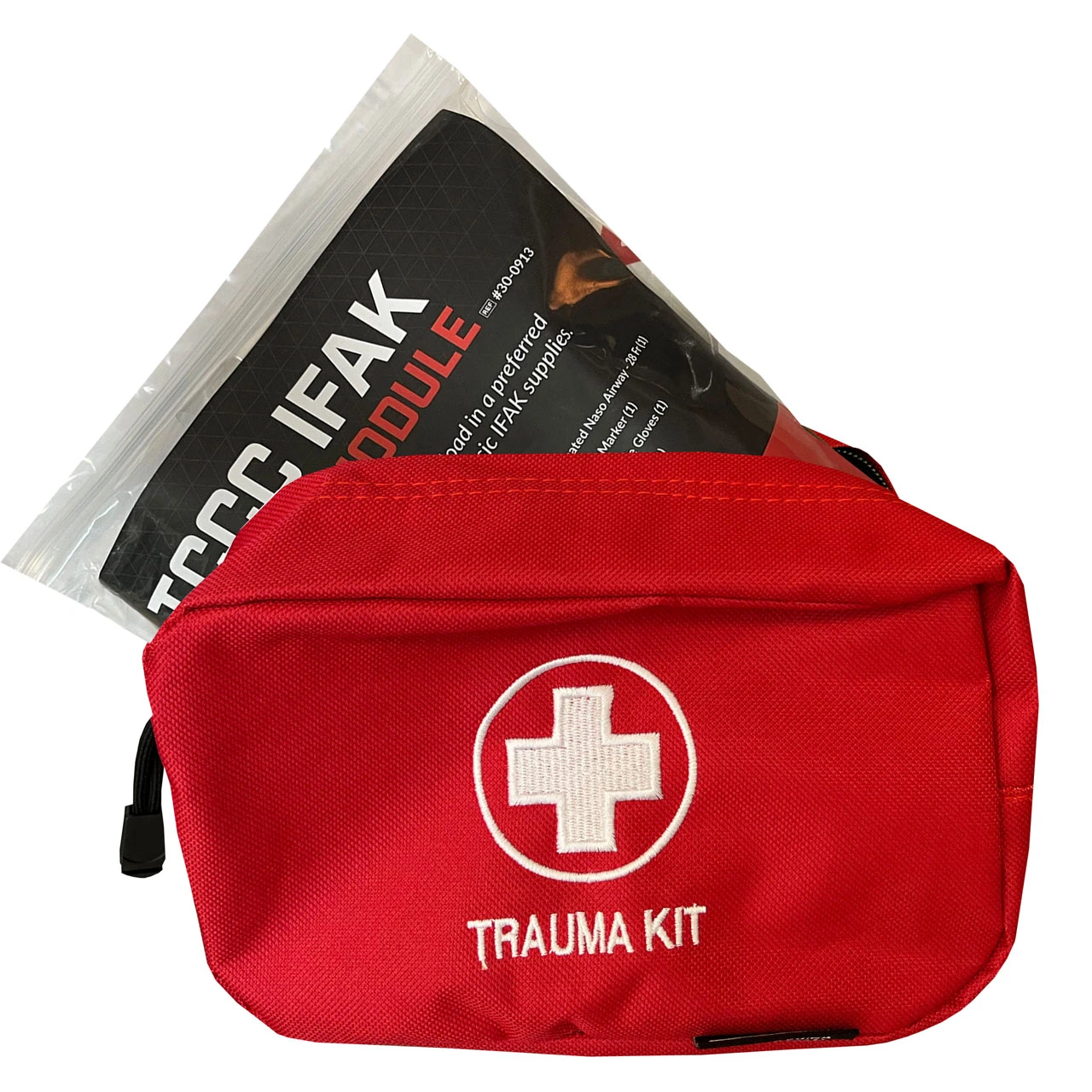
    Quick and effective medical response often depends on preparation. Trauma refill kits help maintain readiness by replacing essential supplies used during emergencies or training sessions. Keeping a kit fully stocked supports faster action, better organization, and improved confidence during stressful situations. These refill packs are designed to restore critical medical tools without replacing an entire emergency kit, making them practical for long-term preparedness.

    Why Refill Kits Matter

    Trauma refill kits help ensure that life-saving items remain available when they are needed most. Missing or expired supplies can slow down response time, especially during emergencies that require immediate care.

    Key benefits include:

    • Keeps emergency kits fully prepared
    • Helps maintain organization and efficiency
    • Replaces damaged or expired items quickly
    • Supports faster response during high-pressure situations
    • Encourages regular equipment inspection

    A well-maintained refill kit creates confidence for anyone responsible for emergency care in outdoor, tactical, travel, or work-related settings.

    Essential Supplies Commonly Included

    Refill Kits

    Trauma refill kits often contain carefully https://rhinorescuestore.com/products/rhino-tactical-trauma-kitb-refill-ifak-with-metal-tourniquet selected components designed to address serious injuries. These supplies help improve response capability during critical moments.

    Common items may include:

    • Compression bandages
    • Sterile gauze rolls and pads
    • Adhesive medical tape
    • Protective gloves
    • Emergency shears
    • Wound dressings
    • Chest seals
    • Cleansing wipes
    • Elastic wraps
    • Airway support tools

    Having these items properly stored and ready for use allows responders to act quickly without searching for individual supplies.

    Supports Faster Emergency Response

    Speed is one of the most important factors during trauma care. Refill kits improve readiness by ensuring all medical essentials remain accessible and organized.

    Advantages of a fully stocked refill kit include:

    • Faster access to treatment supplies
    • Reduced delays during emergencies
    • Better focus under pressure
    • Improved ability to manage multiple injuries
    • Greater efficiency in challenging environments

    Preparedness helps reduce confusion and supports calm decision-making during moments where every second matters.

    Ideal For Training And Routine Maintenance

    Regular practice is important for maintaining first aid skills. Trauma refill kits make it easier to replace supplies used during training exercises without disrupting emergency readiness.

    Benefits for ongoing preparedness include:

    • Allows realistic practice sessions
    • Encourages frequent medical training
    • Helps maintain complete emergency kits afterward
    • Supports long-term equipment reliability
    • Simplifies restocking procedures

    Routine maintenance also helps identify worn-out or outdated items before an actual emergency occurs.

    Helpful In Many Environments

    Trauma refill kits are useful in a wide variety of situations where quick medical response may be necessary. Their compact design and practical organization make them valuable for both individuals and teams.

    Common uses include:

    • Outdoor adventures
    • Emergency preparedness planning
    • Vehicle safety kits
    • Workplace safety support
    • Tactical response situations
    • Travel and remote activities

    Keeping refill supplies nearby helps improve confidence and readiness in unpredictable conditions.

    Encourages Long-Term Preparedness

    Consistent preparation plays a major role in emergency response effectiveness. Trauma refill kits encourage responsible maintenance by making it simple to replace used supplies before another critical moment occurs.

    A complete and organized kit helps support quicker action, safer care, and improved readiness during emergencies. With essential supplies always available, responders can focus on providing immediate assistance when it matters most.